


After more than 10 years of coaching basketball, one thing I’ve consistently recommended to parents and players is having an indoor basketball hoop at home. Whether you’re training a young beginner or helping an experienced player sharpen their shooting mechanics, practicing indoors can make a huge difference.
Over the years, I’ve worked with over 4,000 students. Many of them improved dramatically simply because they had an indoor hoop where they could practice daily. Parents often tell me the same thing: when the hoop is right there in the house, kids naturally practice more.
In this guide, I’ll share my experience choosing the best indoor basketball hoop, the key features to look for, and which types are best for different players.
What is an Indoor Basketball Hoop?
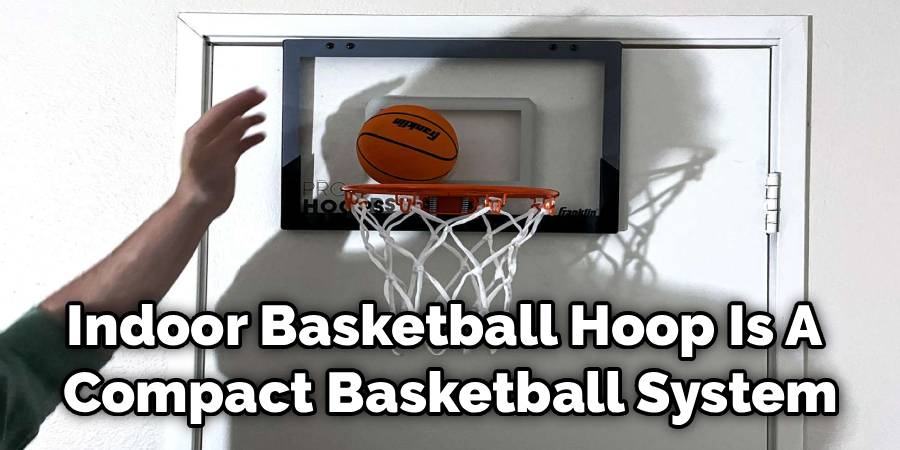
An indoor basketball hoop is a compact basketball system designed specifically for use inside homes, offices, gyms, or garages. Unlike full-size outdoor hoops, these systems are built to fit smaller spaces while still allowing players to practice shooting and ball control.
Most indoor hoops are either mounted on doors, walls, or small stands. Many models include shatterproof backboards, spring-loaded rims, and lightweight basketballs designed for indoor play.
In my coaching career, I have seen indoor hoops help beginners develop proper shooting mechanics. A few years ago, one of my 12-year-old students, Arif, struggled with shooting consistency. His parents installed a simple over-the-door indoor hoop in his room. Within six months of practicing 15–20 minutes every evening, his shooting form improved dramatically.
Indoor hoops may look simple, but when used regularly they can become powerful training tools for players of all ages.
Why Every Player Should Have an Indoor Basketball Hoop
One of the biggest challenges players face is finding time and space to practice. Outdoor courts are not always available, and weather can often interrupt training.
That’s where indoor hoops become extremely valuable. I’ve seen players improve their shooting consistency simply by practicing 10–15 minutes a day indoors.
Benefits of Indoor Basketball Hoops
- Allows practice anytime regardless of weather
- Improves shooting mechanics through repetition
- Perfect for kids learning basic basketball skills
- Encourages active play at home
- Helps players build muscle memory
From my coaching experience, players who practice even a few minutes daily develop better shooting form than those who only play occasionally outdoors.
Why Indoor Basketball Hoops Are Great for Skill Development
From my experience as a coach, indoor basketball hoops are not just toys. When used properly, they can significantly improve important basketball skills.
Shooting Practice
Players can practice their shooting form repeatedly without needing a full basketball court. Consistent repetition helps build muscle memory.
Hand-Eye Coordination
Young players especially benefit from indoor hoops because shooting and catching the ball improves coordination.
Confidence Building
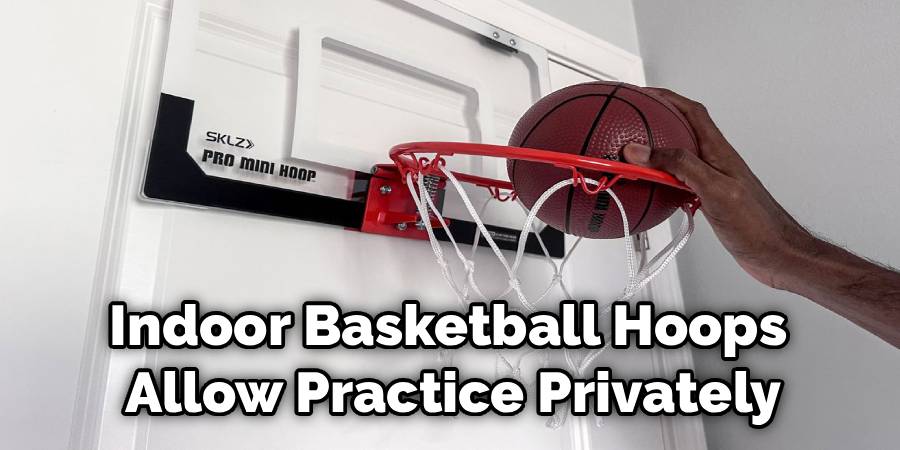
Many beginners feel nervous practicing in front of others. Indoor hoops allow them to practice privately and gain confidence.
One parent once told me their son started playing basketball seriously after they installed a mini hoop in his bedroom. At first it was just fun, but over time he developed a real interest in the game.
Types of Indoor Basketball Hoops
Over the years I have tested many different indoor hoops while recommending equipment to my students. These are the most common types available.
Over-The-Door Basketball Hoop
This is the most popular indoor hoop style. It easily hangs over a door and usually includes a small backboard and rim.
Advantages:
- Easy installation
- Affordable
- Perfect for bedrooms and dorm rooms
Disadvantages:
- Limited durability for aggressive play
- Door vibration during shots
Wall-Mounted Indoor Basketball Hoop
Wall-mounted hoops are more stable and feel closer to real basketball practice.
Advantages:
- More durable
- Better rebound performance
- Ideal for garages or indoor gyms
Disadvantages:
- Requires installation
- Less portable
Mini Basketball Hoop
Mini hoops are designed mainly for kids and casual players. They usually include a mini ball and lightweight rim.
Advantages:
- Great for children
- Lightweight
- Safe for indoor play
Disadvantages:
- Not ideal for serious training
Key Features to Look for in an Indoor Basketball Hoop
When parents ask me which indoor hoop they should buy for their children, I always recommend focusing on these features.
Backboard Material
The best indoor hoops use polycarbonate or shatterproof plastic backboards. These materials provide durability while keeping the hoop lightweight.
Breakaway Rim
A spring-loaded breakaway rim is important because it prevents damage if someone dunks or pulls on the rim.
Padding and Noise Reduction
Foam padding behind the backboard helps reduce noise and protects doors or walls.
Easy Installation
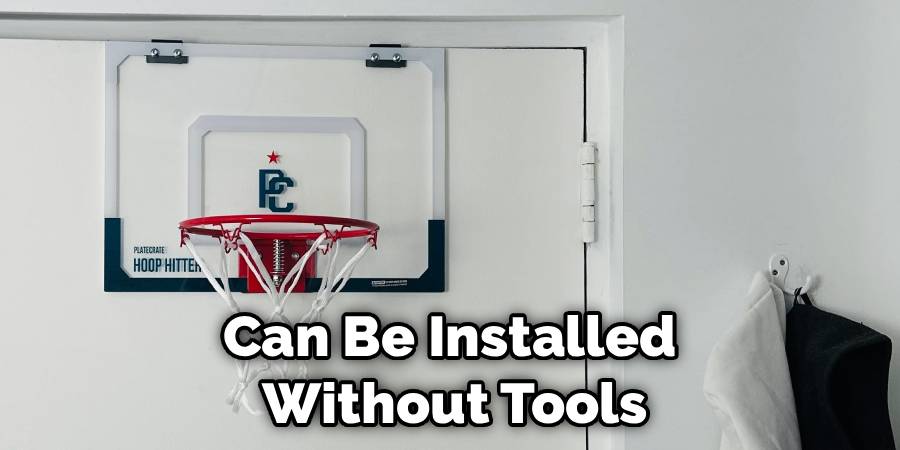
For most homes, I recommend hoops that can be installed without tools or complex mounting systems.
Advantages of Indoor Basketball Hoops
Based on my coaching experience, indoor hoops offer several advantages for players and families.
- Allow daily practice without leaving home
- Encourage kids to stay active
- Improve shooting accuracy through repetition
- Provide entertainment for friends and family
- Require very little space
Several parents have told me that indoor hoops reduced their children’s screen time significantly because they preferred playing basketball instead.
Disadvantages of Indoor Basketball Hoops
While indoor hoops are extremely useful, they also have some limitations.
- They cannot fully replace outdoor basketball practice
- Some models create noise when mounted on doors
- Mini basketballs may feel different from regulation balls
For serious players, I usually recommend combining indoor practice with occasional outdoor court training.
Who Should Buy an Indoor Basketball Hoop?
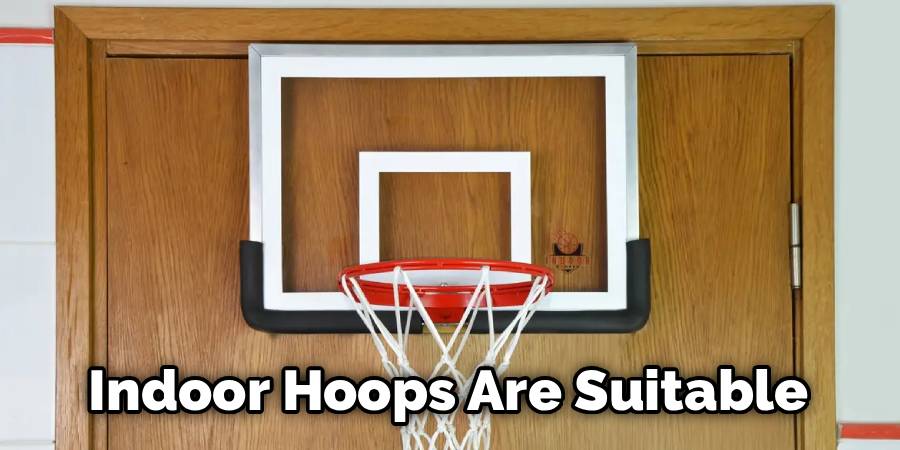
Indoor basketball hoops are suitable for many types of players:
- Kids learning basketball fundamentals
- Teenagers practicing shooting skills
- Adults who enjoy casual basketball
- Families looking for fun indoor activities
- Coaches who want players to practice at home
Even professional players sometimes keep mini hoops in their homes just for quick practice sessions.
Real Experiences From My Students
One of my students, Jake, struggled with shooting consistency. His parents installed a small indoor hoop in their living room.
Within three months, Jake’s shooting accuracy improved significantly because he practiced daily while watching TV or taking study breaks.
Another parent told me their kids stopped spending hours on video games once they had an indoor hoop at home. Instead, they started competing to see who could make the most shots.
Stories like these are why I strongly recommend indoor hoops for families.
FAQ
Can adults use indoor basketball hoops?
Absolutely. Many indoor basketball hoops are designed for both kids and adults. While mini hoops are mainly for children, stronger over-the-door or wall-mounted hoops can easily support casual adult practice and shooting drills.
Are indoor basketball hoops noisy?
Some door-mounted hoops may create vibration or noise when the ball hits the backboard. Models with foam padding and shock-absorbing rims significantly reduce noise and are better suited for indoor environments.
Do indoor basketball hoops damage doors or walls?
Most modern indoor hoops include foam padding and protective brackets to prevent damage to doors or walls. However, it is important to install the hoop properly and avoid hanging or dunking aggressively on lightweight models.
How much space do you need for an indoor basketball hoop?
Most indoor hoops require very little space. A small area in a bedroom, living room, garage, or office is usually enough. Over-the-door hoops are especially space-efficient because they do not require floor space.
What size basketball is used for indoor hoops?
Most indoor hoops use mini basketballs, typically 5 to 7 inches in diameter. These smaller balls are designed for indoor spaces and help prevent damage to furniture, walls, or windows.
Final Thoughts From a Basketball Coach
After more than one decade of coaching basketball, I can confidently say that consistent practice is the biggest factor in player improvement. Indoor basketball hoops make that practice possible even when players cannot access a full court.
Whether you are a beginner, a young player, or simply someone who enjoys basketball, a quality indoor hoop can bring both fun and skill development into your daily routine.
Choose a durable hoop, practice regularly, and most importantly — enjoy the game.